
10 commercial kitchen equipment mistakes to avoid

Between breakdowns, high energy bills, lost productivity and service disruption, mistakes in commercial equipment selection and care are costing Irish kitchen operators thousands of euros, every single year.
Yet frustratingly, the most expensive of these problems are also the most common, with cheap equipment, poor maintenance, rushed installations, inappropriate capacities and inadequate staff training all making kitchens harder, and costlier, to run.
The good news is that most of these issues can be avoided. Because, with proper planning, advice on the right investments, and a solid maintenance programme in place, you’ll protect your operation and ensure your staff can run it smoothly.
How much does poor planning actually cost?
When you’ve factored in emergency repairs, downtime and lost revenue, the cost of equipment failure can run from €2,000 right up to €15,000, per incident. Yet some estimates also suggest that up to 80% of the costliest mistakes can be avoided through professional equipment planning.
Smart investments early on make a huge difference, helping you avoid a false economy. Installing cheaper equipment, for instance, could easily end up costing you three times more over five years than higher-quality alternatives. Similarly, investing in the wrong size or capacity early on can waste up to 25% more energy, every year.
There are also risks beyond the equipment itself. A poorly optimised kitchen layout can reduce your team’s efficiency by up to 40%, cutting output while increasing staffing costs. Plus, without regular servicing, your equipment’s lifespan could be reduced by up to 60%, meaning expensive replacements are needed much sooner.
This is why getting the basics right – from equipment sizing to securing proper service support – is always the best way to go.
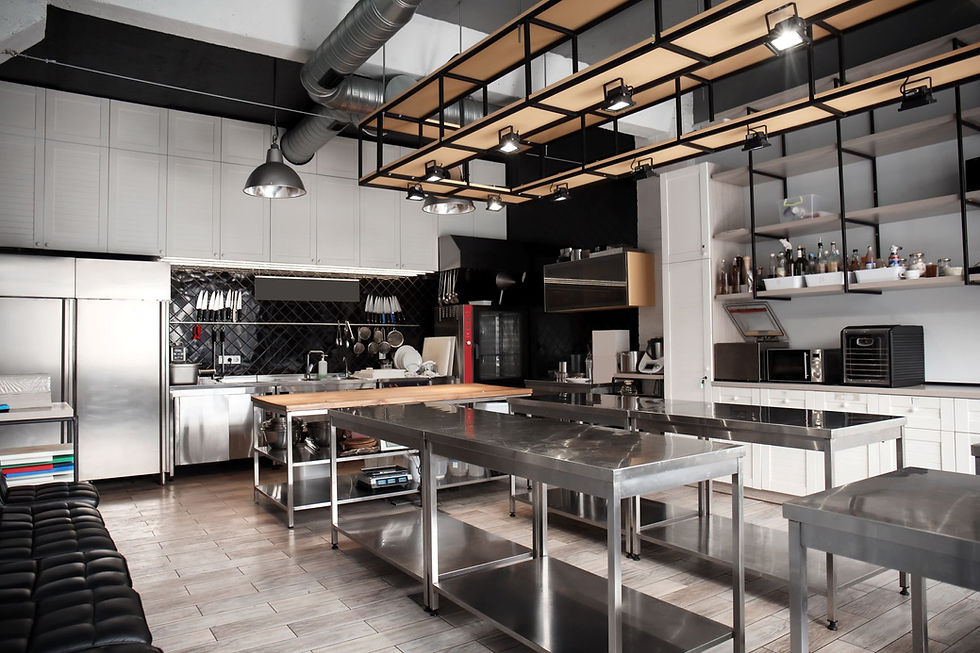
Mistake 1: Choosing price over quality
A cheaper initial purchase price won’t always guarantee you the cheapest option in practice. In fact, for a busy commercial kitchen, reliability has the greatest value of all; if a machine breaks down more often or struggles to keep up with demand, its longer-term cost in repairs, downtime and lost productivity will be much higher.
Investing in a better-quality commercial oven can save thousands over five years by reducing breakdowns and improving consistency, often while cutting energy consumption and running costs. One British case study on commercial ovens highlighted a saving of £8,000, highlighting why it’s important to consider what a piece of equipment might cost to run, maintain – and, eventually – replace.
Mistake 2: Skipping preventative maintenance
As anyone who’s dealt with emergency repairs will know, reactive maintenance almost always costs more than planned. And if a problem emerges during peak service, when your equipment is running at full tilt, the resulting downtime can be even more damaging to your bottom line.
Poor maintenance, then, leads to shorter equipment lifespan, increased energy use and more breakdowns – not to mention potential compliance or safety issues. But with a preventative maintenance plan in place, you can avoid many of these hidden costs, and actually make budgeting more predictable.
Regular checks also help engineers spot worn parts and early warning signs before they turn into expensive failures – and many contracts will also cover the cost of these repairs, for extra peace of mind.
Mistake 3: Poor layout and workflow planning
Planning a successful new kitchen means taking plenty of time to consider its layout, and how your teams will use it.
That’s because, if the flow of your prep areas, cookers, fridges, warewashers and storage areas isn’t considered, your staff will waste time moving between stations, and bottlenecks will quickly appear – slowing service and increasing labour costs.
Flawed design isn’t just about productivity, either – if your team is having to carry hot, sharp or heavy items through busy areas, then you’re looking at avoidable safety hazards, and potential compliance issues.
This is where professional design support can make a significant difference: the right layout will make the whole operation easier, and safer, to run.
Mistake 4: Inadequate ventilation
As well as protecting staff productivity and customer comfort, kitchen HVAC and ventilation systems are there to ensure your kitchen stays compliant, and your equipment keeps performing.
Specify and install the wrong systems, and heat, steam, humidity, grease and odours can build up, leading to damaged appliances, poor air quality and, in worst-case scenarios, health and safety issues.
Under- or over-sized ventilation systems will also waste energy and increase your kitchen’s running costs, making early planning essential to any sustainability efforts.
Mistake 5: Choosing the wrong equipment for your needs
Investing in the wrong-sized equipment can generate different problems with the same outcome: an inefficient kitchen that generates unnecessary waste.
Going too small on your cooking equipment can leave your team struggling to meet demand, leading to slower service and less revenue during busy periods, not to mention frustrated customers. Go too big, and you’ll take up valuable kitchen space, spend unnecessarily on energy, and might even have more equipment to maintain.
As is often the case in kitchen design, getting the right balance will mean looking closely at your estimated service volumes, menu and staffing. This way, equipment can be specified around your real needs.
Mistake 6: Ignoring energy efficiency
In commercial kitchens where equipment is running for long hours, small efficiency gains can quickly add up to a big difference. So, while more energy-efficient systems can often cost more to purchase upfront, they can also deliver real savings over their lifespans.
Ignoring energy performance, meanwhile, could mean larger bills, more waste, and greater pressure on existing infrastructure. It could also make it harder to future-proof your kitchen, particularly as sustainability and compliance requirements evolve.
Again, the best approach is to think about whole-life cost by doing payback period calculations, and to see whether any current grants, supports or incentives are available for energy-efficient installations.
Mistake 7: Not training staff properly
Thanks to intuitive controls and many automated features, the latest commercial kitchen equipment is simpler than ever to use. But it still needs to be used properly.
In the worst cases, poor staff training can easily lead to improper use, and damage that costs thousands to put right – or at least shortens the machine’s working life. But even more pressing is the potential for food safety and compliance issues that can come from inadequate temperature management.
This is why your training should cover safe operation, cleaning, troubleshooting and daily checks and maintenance, with certification issued where relevant.
Mistake 8: Having no Plan B
Your kitchen’s equipment is fundamental to the way you store, prepare and serve meals, which means if something goes wrong and you don’t have a backup plan, the results can affect your whole operation – and cost you revenue.
This is why it’s always worth identifying the equipment that will benefit from a backup, and putting a plan in place to secure that backup, should you need to. This might mean investing in emergency service cover, weighing up emergency rental costs versus planned redundancy, or securing spare capacity elsewhere on site.
Mistake 9: Overlooking service and parts availability
The benefits of choosing a proven brand don’t stop at stronger warranties and manufacturer support. Older or less common equipment can end up being difficult to service and repair if parts are rarer and technician experience is limited, which can soon turn a simple fault into days of downtime. Higher costs and geographical coverage are also things to think about.
Before buying, you should make sure you understand your supplier or service partners’ capabilities, including engineer coverage, warranty terms, and out-of-hours support, as well as local parts availability.
Mistake 10: Rushing installation without proper testing
As with planning, quality installation and testing are the foundation of a successful kitchen, with both phases helping to support safe, reliable operations. But timing and budget pressures can sometimes leak into projects, causing bigger problems down the line.
Rushed installations, for instance, can lead to hidden faults and defects emerging and causing disruption during peak service times. Equally, there may be integration problems with existing appliances or utility systems, leading to delays or costly refits.
The biggest priority, though, is minimising the potential for harm if safety checks are incomplete or inaccurate. This is why your commissioning process should follow installation checks, covering performance, user training, cleaning guidance and certification. These steps will not only protect your investment, but ensure your staff are working in the ideal conditions from day one.
For more advice on getting the best from your kitchen layout and equipment, simply chat to one of our experts today.


Comments